

Probate
After your death, there are certain steps that will need to be taken, whether or not you have a will. These include:
- Finding your important papers. You may have put your will or other important papers (like the deed to a burial plot or instructions about how to handle your body after death) in a safe deposit box. However, when the bank finds out about your death, it must seal the safe deposit box, and a court order might be required to unseal it. Also, under the law, the police have to seal your home if you die there and lived alone. If the will or other important papers are in a place that’s sealed, someone (such as the Executor named in the will, or your closest heir at law) will have to get the location unsealed by getting a court order. However, if someone rented the safe deposit box jointly with you, the bank must let that person, under bank supervision, examine the contents of the box and make copies of important papers.
- Official recording of death: After your death, a death certificate must be obtained. A doctor or medical examiner will fill out one section of a death certificate. If there is a funeral home involved, the funeral director will then pick it up and fill out the rest of the information with the help of your family. The funeral director has 72 hours to file the death certificate. After that, copies are available from the New York State Department of Health (if you are outside of New York City) or from the New York City Department of Health and Mental Hygiene (if you are in New York City). Due to the COVID-19 pandemic, in-person ordering of death certificates in NYC is suspended until further notice. At this time, you can order a death certificate online or by mailing a copy of the death certificate application. Your spouse, parent, or child has a right to get a copy of your death certificate. Other people may be able to get a copy if they have a documented lawful right or claim, a documented medical need, or an order for a copy from a New York State court.
- Handling of your body after death: Your body must be buried or cremated, according to your prior instructions, if you gave any. If you made a written instruction selecting someone to dispose of your remains, that person will handle those tasks. If you did not make such a selection, the law imposes responsibility in the following order: surviving spouse or domestic partner, and then moving on to adult children, surviving parents, surviving siblings, a guardian appointed by court order, all the way to close friends and beyond.
- Preserving your assets: Your assets must be located and collected for deposit into an estate account. In rare cases, police seal your home after your death, and others will need a court order to have it unsealed.
- Probate of your will: If you made a will, you most likely named an Executor who is responsible for filing your will with the court, collecting your assets, paying creditors, funeral expenses, any applicable taxes, and, finally, distributing the remaining assets to the heirs as stated in your will.
- Administration of your estate if no will: If you died without a will, then you are said to have died “intestate.” In this situation, the court will appoint a person to handle your estate, usually a close relative who will petition the court for an appointment.
Legal Editor: Paul Chazan, March 2015 (updated May 2020)
Changes may occur in this area of law. The information provided is brought to you as a public service with the help and assistance of volunteer legal editors, and is intended to help you better understand the law in general. It is not intended to be legal advice regarding your particular problem or to substitute for the advice of a lawyer.
Our Lawyers
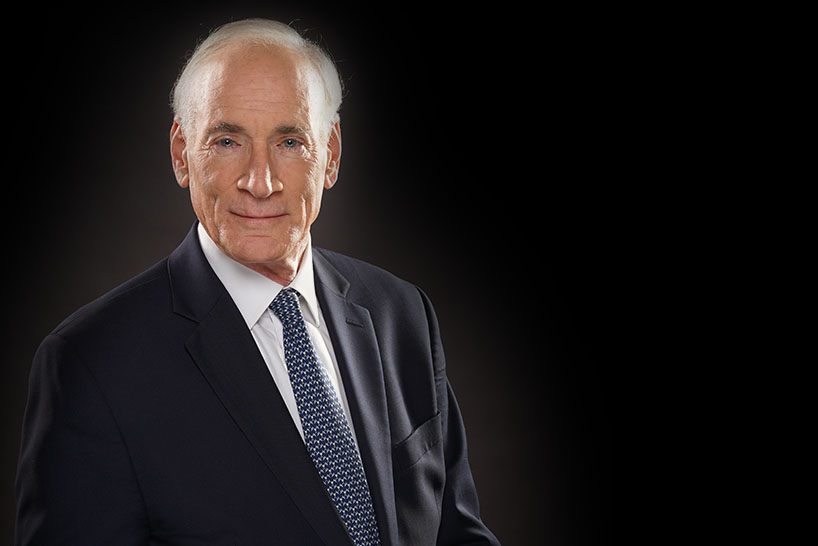
Lawrence G.
LRS Lawyer
Our lawyers are screened and approved – they have all gone through an application and interview process. Each lawyer we recommend has been screened for significant experience, knowledge of ethics codes and rules, and law office practices, including customer service skills and handling of fees and billing.
About Us
When you call us, you will be speaking with an attorney. One of our attorney referral counselors takes your call and talks with you about your legal question, or reviews your online referral request. There is no charge to speak with one of our attorney referral counselors -- we’re here to help.